Interview Red Flags and Green Flags: What Cayman Employers Are Really Looking For

You’ve made it past the CV screen. Now comes the part that actually decides the outcome. In a market as tight-knit as the Cayman Islands, the interview carries more weight than almost anywhere else.
Here, employers aren’t just assessing whether you can do the job. In a professional community where reputations travel fast and teams are small, they’re assessing how you’ll represent them: to clients, to regulators, and to the rest of the island. After more than twenty years of preparing candidates for Cayman interviews, we know exactly what makes hiring managers lean in, and what makes them quietly move on.
The green flags: what makes Cayman employers lean in
- You’ve done your homework on the market, not just the company. Anyone can recite the “About Us” page. Candidates who stand out understand the context the business operates in: the regulatory environment, the client base, the competitive pressures. If you’re interviewing with a fund administrator, knowing that Cayman services roughly 24,000 regulated funds tells them you understand the scale of what you’d be joining.
- You give evidence, not adjectives. “I’m detail-oriented” is a claim. “I caught a reconciliation error that would have cost the client six figures” is a hire. Prepare three or four specific stories about a problem solved, a process improved, or a difficult stakeholder managed, and let the examples do the talking.
- You show commitment to the island. For overseas candidates, this is the question behind every question: will you stay? Employers invest heavily in permits and relocation, and they’ve all been burned by someone who treated Cayman as a two-year beach break. Showing you’ve researched the realities of cost of living, community life, and career trajectory signals you’re making an informed, durable decision. For Caymanian candidates, the parallel green flag is ambition. Employers genuinely want to see where you intend to grow.
- You ask questions that look forward.“What would success look like in the first six months?” tells an employer you’re already picturing yourself doing the work. The best interviews end as conversations between future colleagues, not interrogations.
The red flags: what quietly ends your candidacy
- Speaking carelessly about a previous employer.In most markets this is unwise. In Cayman, where your interviewer may play football with your last manager, it can be fatal. Frame past frustrations as reasons you’re moving toward something, never just away.
- Vagueness about your own CV. If you can’t walk through your responsibilities in detail, employers assume the CV was inflated, a suspicion that’s grown sharper as AI-polished applications flood the market. Know your own story cold, including the gaps and the stumbles. A candid “here’s what I learned from that” consistently outperforms a rehearsed gloss.
- Salary as your only question. Compensation matters, and in Cayman’s candidate-driven market you have leverage. But when package is the first and only thing you probe, employers hear short-termism. Let the recruiter handle the money conversation (that’s what we’re for) and use your interview time to demonstrate value.
- Winging the logistics. Arriving late, misjudging the dress code (Cayman professional services remain formal), or not knowing which entity you’re actually interviewing with are small things, but in a small market they linger.
Interviews go both ways: what candidates should watch for
The best employers expect to be assessed too. Green flags to look for: a clear, structured process with defined timelines, interviewers who can articulate why the role exists and where it leads, and genuine answers about team culture and turnover. Red flags worth heeding: a vague job description that shifts between conversations, pressure to accept on the spot, or evasiveness about why the last person left. In a market this size, a good recruiter can tell you the reputation behind the polish. Use that.
What this means for job seekers
Preparation beats polish, every time. Research the market, rehearse your evidence, prepare your questions, and be ready to explain, specifically, why Cayman and why this firm. And remember that the process starts before the interview: how you communicate with the recruiter, how quickly you respond, and how you handle rescheduling all reach the hiring manager.
What this means for employers
The candidates you want are interviewing you right back. In a market where the best people are off the market within days, a slow or disorganised process is the most expensive red flag of all.
Tight timelines, prepared interviewers, and prompt, honest feedback aren’t courtesies. They’re competitive advantages.
The takeaway
In the Cayman Islands, an interview is never just an interview. It’s an introduction to a professional community you’ll be part of for years. Candidates who bring evidence, commitment, and curiosity stand out immediately. And those who prepare with someone who knows exactly what each employer is looking for walk in with an advantage the CV alone can’t deliver.
Affinity has prepared candidates for interviews with Cayman’s leading employers for over two decades, including personal coaching and honest, tailored feedback at every stage. Ready for your next opportunity? Contact us at info@affinity.ky or +1 345 943 2020.
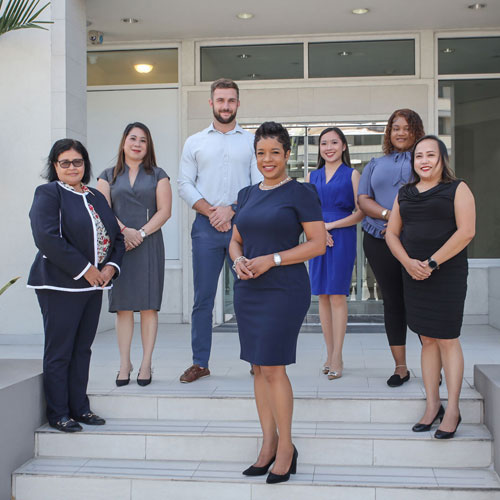
This blog post is a collaborative effort by the team at Affinity Cayman, drawing on our collective expertise and insights to bring you the latest trends and skills for 2024. Together, we strive to provide valuable knowledge to help you succeed in an ever-evolving recruitment landscape.